
Interpretation of the Core Information
1. Harvest Time (after Lidong, November 7, 2024):
“After Lidong” is the key point. This indicates that it falls within the typical harvest window for “Erhongpi” (Second-Red Peel), generally between Lidong and Xiaoxue (Minor Snow) in the lunar calendar.
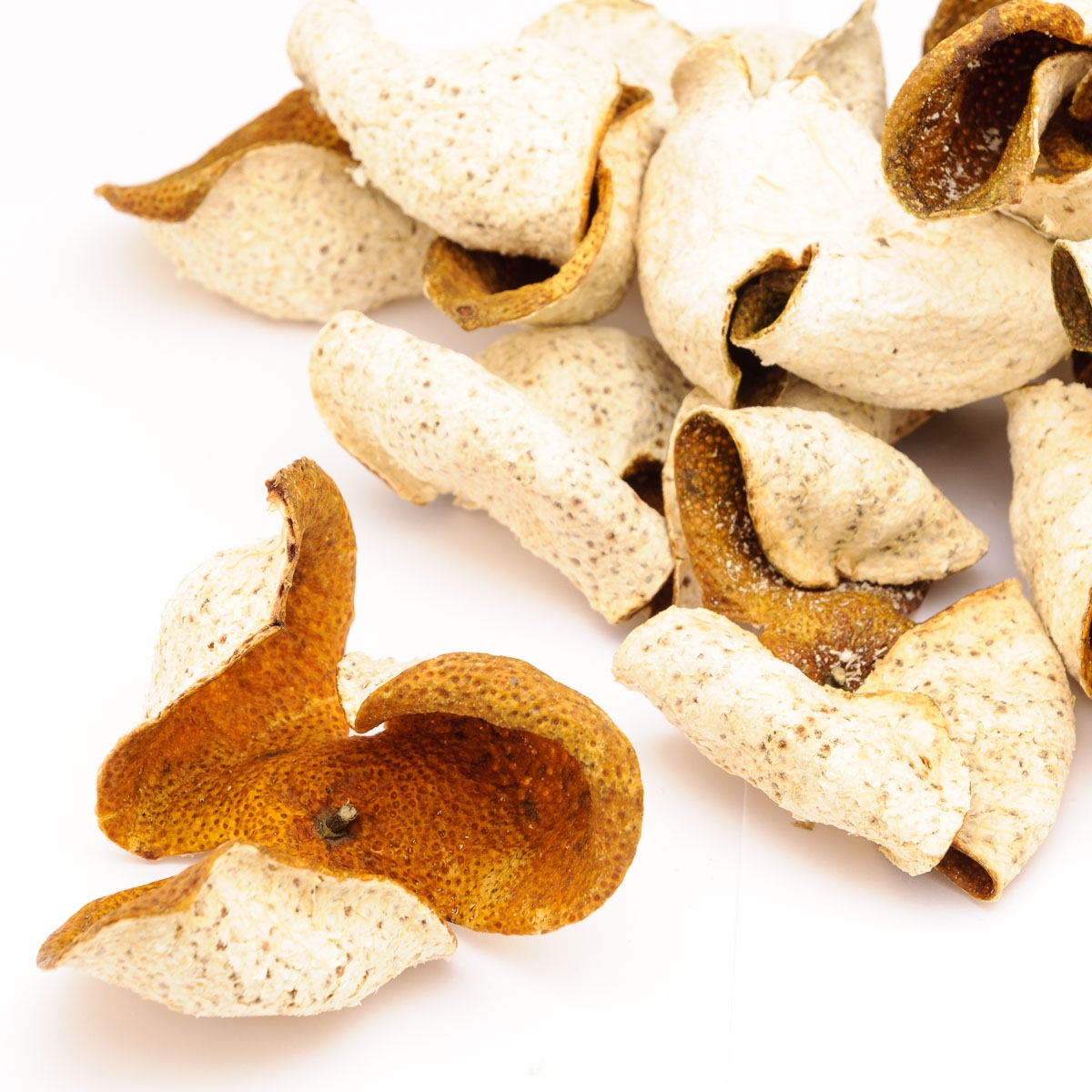
At this stage, the peel is essentially mature; sugars have begun to transform but it has not yet reached full redness. The peel is firm and resilient, with a yellow base tinged with red (light red / second red). The inner pith is white with a yellow hue. The aroma is spicy and fragrant with a gentle sweetness, offering both aging potential and medicinal value. The confirmation of “true Erhongpi” further supports this assessment.
2. Origin and Tree Type (Niubiwei, Dongjia, Xinhui – 12-year-old air-layered old tree):
Dongjia, Xinhui: One of the traditional core production areas, with a long history and fertile soil. Chenpi from this area is known for its rich, mellow aroma and layered flavor, providing a strong guarantee of quality.
Niubiwei: A specific enclosed field or sub-area within Dongjia Village, representing a more precise origin. Such designation often implies superior microclimate and soil conditions.
12-year-old air-layered old tree: This is a key hallmark of top-tier quality.
Air layering (quanzhi): The most traditional propagation method, in which a branch is ring-cut on the mother tree, wrapped with soil to induce rooting, and then transplanted. Trees grown this way are less hardy and yield less fruit, but their aroma is purer and more refined, with richer accumulation of flavor compounds. They are widely regarded as the closest in quality to the original Chazhigan cultivar.
Old tree: Greater age means deeper root systems and more efficient nutrient absorption. The fruit therefore contains more concentrated nutrients and flavor compounds, with thicker peel and denser oil glands.
12 years of age: This is the golden period for flavor expression in citrus trees, resulting in exceptional quality.
3. Cultivar and Appearance (soft branches, fine oil glands, lightly red):
Soft branches: A superior line of Chazhigan, characterized by more flexible branches. The fruit has thinner peel, fine and delicate oil glands, and a restrained, mellow aroma. After aging, the taste becomes sweet and smooth with a pronounced honey note, making it highly prized by collectors.
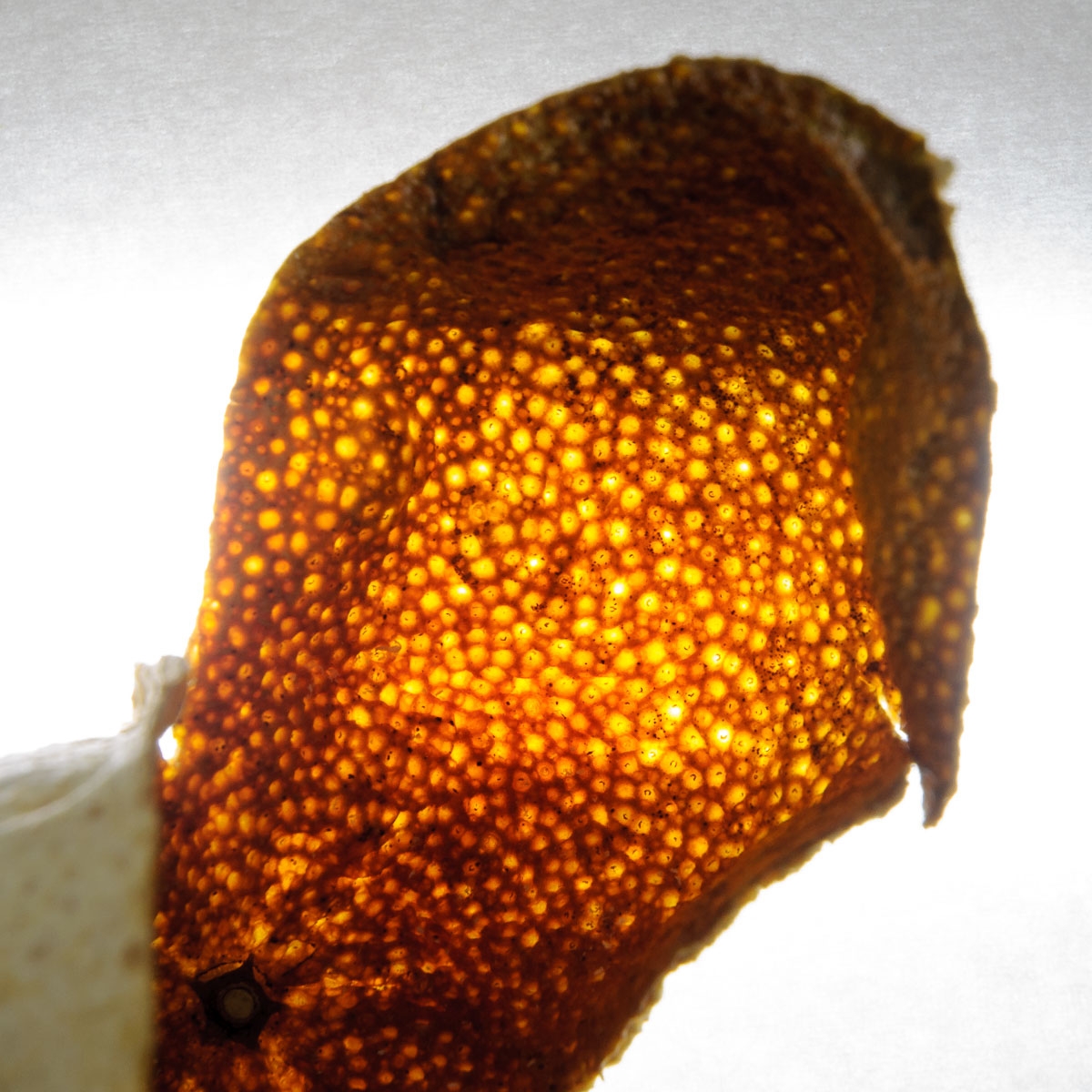
Fine oil, lightly red: Describes the appearance of the peel and the characteristics of the oil glands.
Fine oil: Refers to oil glands (the dots on the peel) that are small, dense, and evenly distributed. This is a typical feature of air-layered trees and soft-branch cultivars, distinguishing them from grafted peels with “large oil” glands. Fine-oil peels usually indicate more delicate internal compounds and a smoother mouthfeel after aging.
Lightly red: Corresponds to “true Erhongpi,” meaning the peel is yellow with a red tinge but not fully red—an intuitive description of second-red peel.
Comprehensive Evaluation and Summary
The chenpi in your possession brings together all the premium attributes: a core production area, traditional air layering, old trees at their golden age, a high-quality soft-branch cultivar, and a standard Erhongpi harvest window.
Quality Positioning: This is a collector-grade精品 chenpi from Xinhui and an extremely rare variety on the market. Air-layered old-tree peels already have very low yields; combined with precise micro-origin identification and confirmed tree age, it offers exceptionally high drinking value, collectible value, and long-term appreciation potential.
Flavor Expectation: As a new peel (2024), it should currently display prominent fresh citrus and spicy aromatics. With proper aging, the characteristics of “soft branches” and “fine oil” will gradually emerge, transforming into a top-tier aged peel profile that is rich, sweet, honey-scented, long-lasting, and silky smooth on the palate.
Effects:
Supports digestion and healthy stomach function, relieves bloating, fullness, and poor appetite, promotes the smooth flow of Qi and helps relieve stagnation associated with stress or heavy meals, transforms phlegm and clears the respiratory tract, facilitates expectoration, alleviates nausea, vomiting, and hiccups, reduces excess dampness in the body, provides antioxidant benefits, and is traditionally used to harmonize digestion and support overall vitality.
| Place / Garden | Xin Hui 新会 / Dong Jia 东甲 / Niu Pi Wei 牛肶围 |
|---|---|
| Designation / Recipe | Er Hong Pi 二红皮 |
| Origin | Guangdong |
| Harvest / Year of Production | autumn 2024 |
| Type | Cha Zhi Gan 茶枝柑 |
| Taste | little bitter, little sour, little sweet, fruity |