Chinese jujube (zao)
SKU:
K013
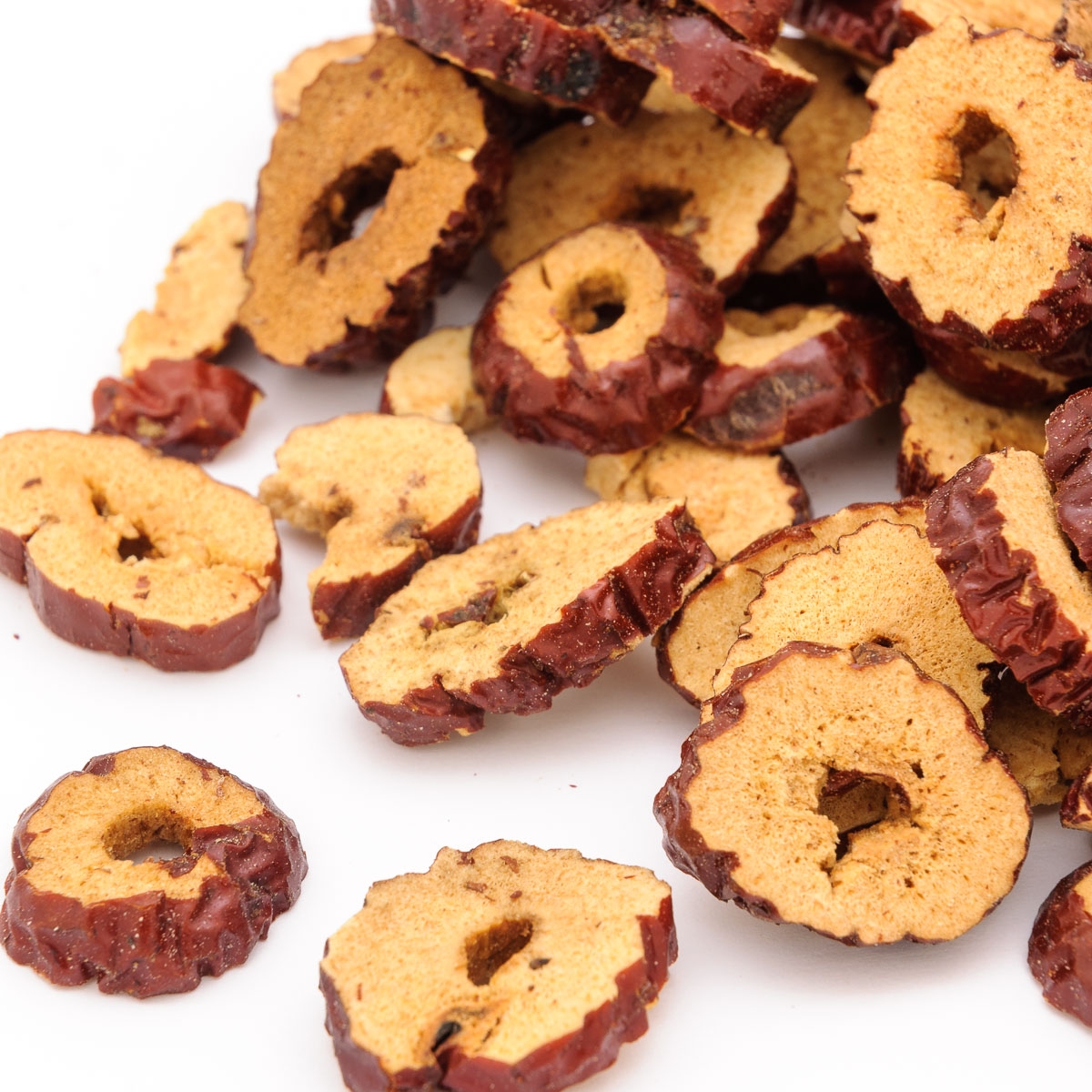
Dried Chinese dates, sliced. They have a pleasantly sweet flavor reminiscent of dried apples with a slightly mealy texture.
Chinese dates can be eaten as-is, brewed into an infusion or used in cooking
Learn more

Categories:
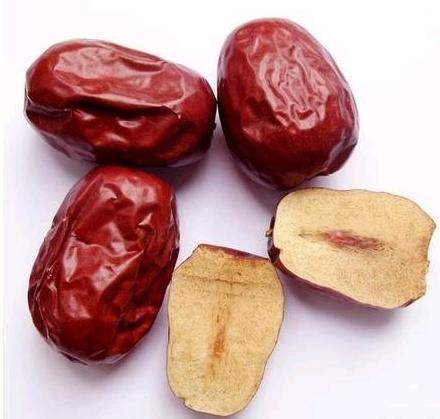
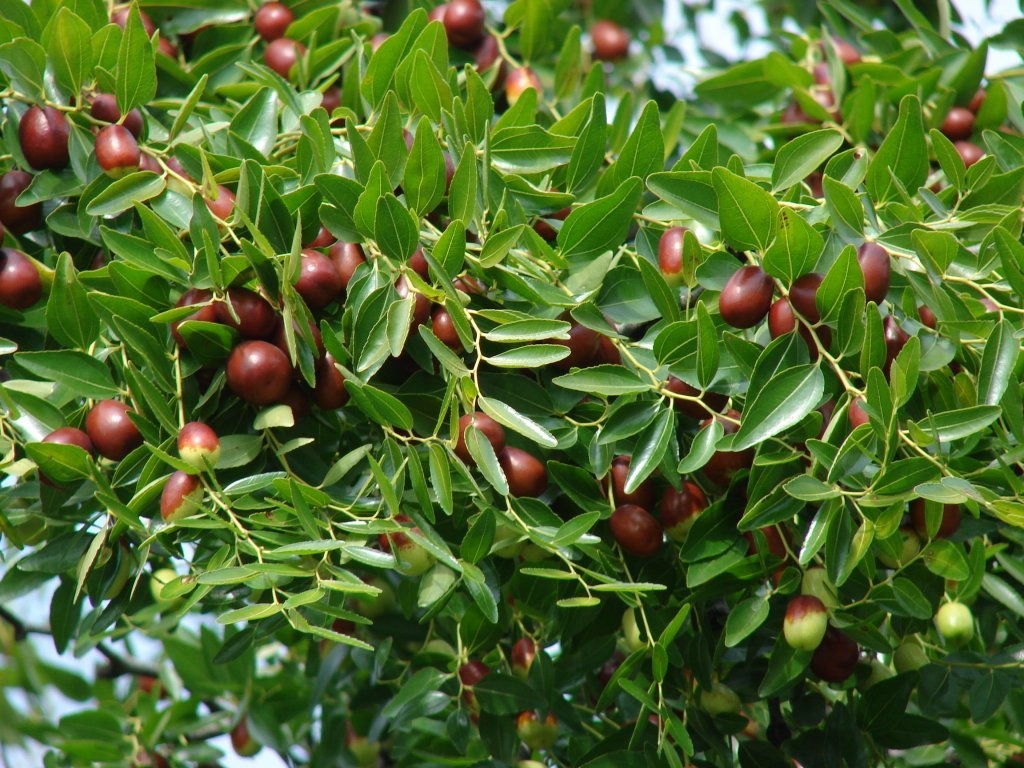
Chinese dates, red dates, or Jujuba grow abundantly in South Asia, especially in China. They are also cultivated in Japan, Asia Minor, and the Mediterranean, with the closest European cultivation in Bulgaria. Jujuba grows as a vigorous shrub or tree up to approximately 10 m tall, characterized by drooping branches. The branches are covered with small, elliptical leaves that shine brightly in the sun. In spring, it produces yellow flowers in clusters of 6–12 blooms.
The fruit resembles a small plum, about 5 cm long and 2.5 cm wide. The surface of the fruit is initially light green. As it ripens (late August), brown spots appear on the skin, gradually merging until the fruit turns fully brown. Beneath the skin is a greenish-brown pulp with a mildly sweet flavor, surrounding a large, oval pit at the center.
The fruits and seeds are used in Traditional Chinese Medicine primarily to strengthen the kidneys and relieve stress. Jujuba also exhibits antifungal, antibacterial, anti-inflammatory, antioxidant, and immune-boosting properties, and can aid in wound healing.
In China, red dates are used to produce the wine Hong Zao Jiu (红枣酒). The fruits can also be preserved in jars filled with Chinese baijiu, allowing them to remain fresh for extended periods. These preserved Chinese dates are called Jiu Zao (酒枣, literally “temperament dates”). Pitted fruits are also used in a wide variety of other Chinese culinary specialties.