
GABA Oolong

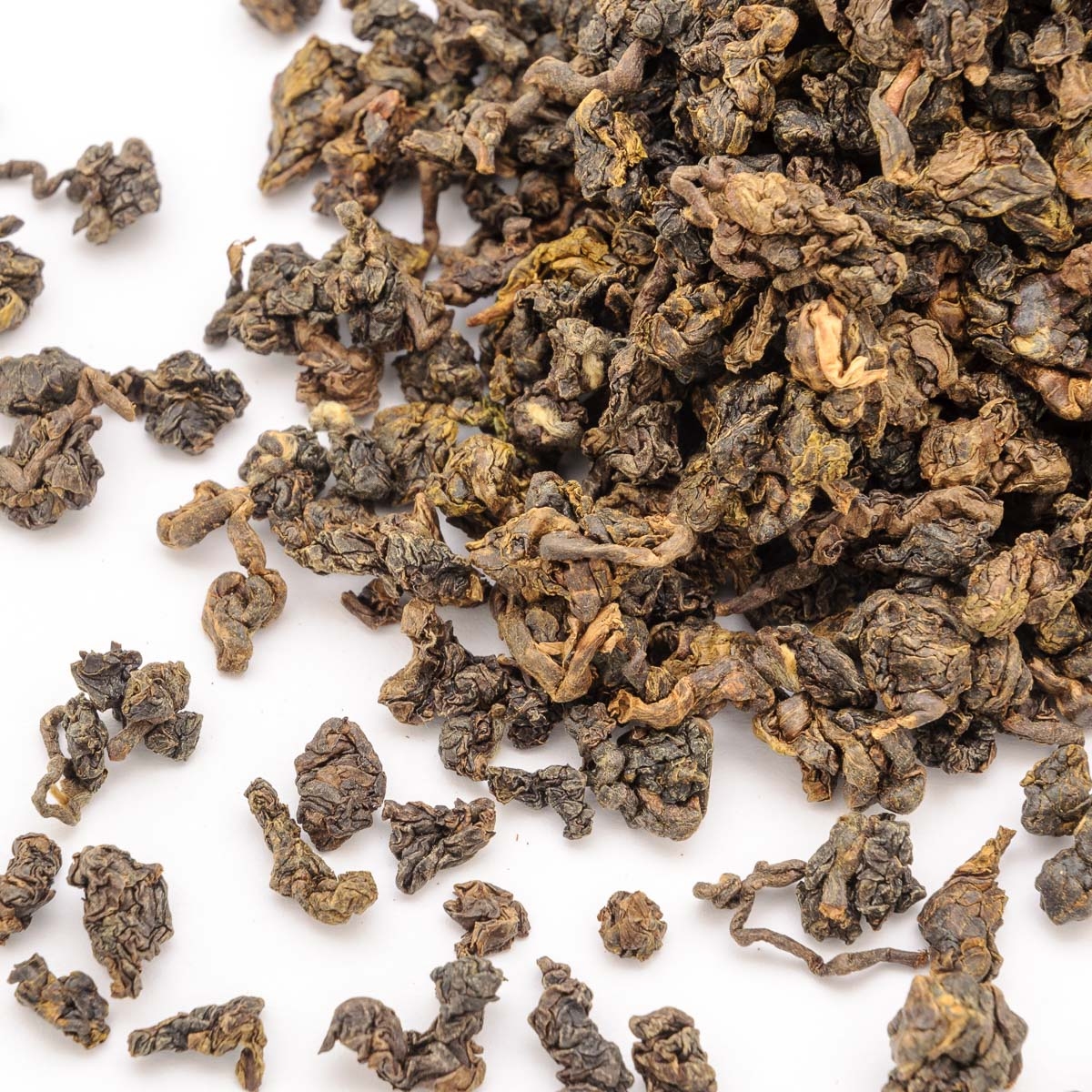
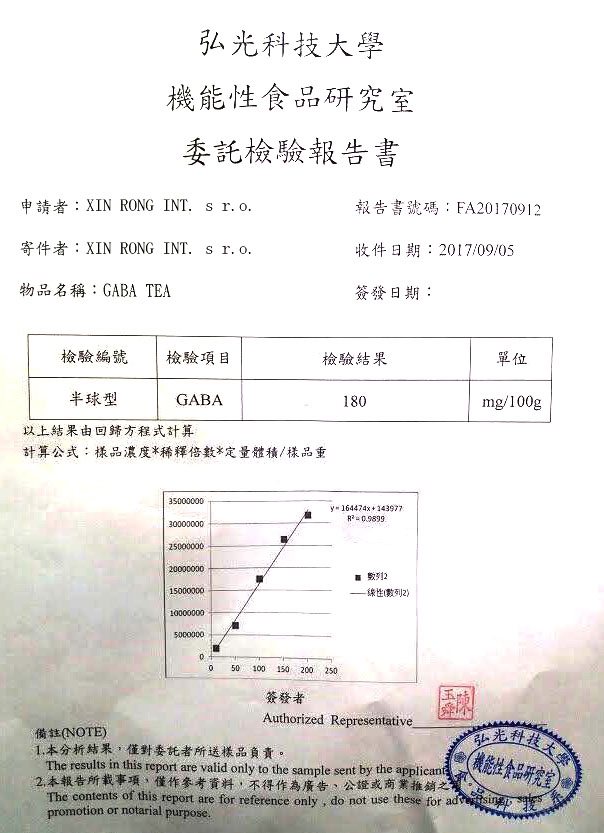
GABA teas are specially produced teas containing a higher amount of GABA (gamma-aminobutyric acid), which, according to research, is associated with a range of positive effects on the human body. During processing, tea leaves are exposed to nitrogen, which increases the content of this substance. This production method was discovered approximately twenty years ago by Japanese scientists who were experimenting with food preservation.
GABA is a non-protein amino acid that is naturally produced in the human body. It is one of the main neurotransmitters of the central nervous system and acts as a so-called “brake” for the nervous system – helping to reduce excessive neural excitation.
Each tea naturally contains this substance in amounts of 20–30 mg/100 g. However, in order to be labeled as a GABA tea, the product must contain at least 150 mg/100 g.
Positive effects of GABA tea:
- increased concentration
- calming effect during increased physical and mental stress
- reduction of blood pressure and cholesterol
- improved blood circulation and oxygenation of the brain
- support of brain cell metabolism
- assistance in weight reduction
- support for the breakdown of alcohol in the blood
How to prepare it?
| First rinse the leaves with hot water, then let them steep. | |||||||||||
| temperature | ratio | 1st | 2nd | 3rd | 4th | 5th | 6th | 7th | 8th | 9th | 10th |
| 100°C | 1g / 25–30ml | 35s | 20s | 25s | 35s | 50s | 70s | 90s | 120s | 160s | 200s |
| Character | hladký|ovocný |
|---|---|
| Place / Garden | Nan Tou 南投 |
| Origin | Taiwan |
| Harvest / Year of Production | february 2026|winter 25/26 |
| Type | Qing Xin Da Mao/You 青心大冇/有 |