
Tian Li Cha
SKU:
B221
“Heavenly Pear” – This is the name given to this premium tea by the Taiwanese. It is grown at altitudes above 2,000 meters, making it one of the highest-quality Taiwanese teas and often used as a gift in diplomatic settings.
Learn more

Categories:
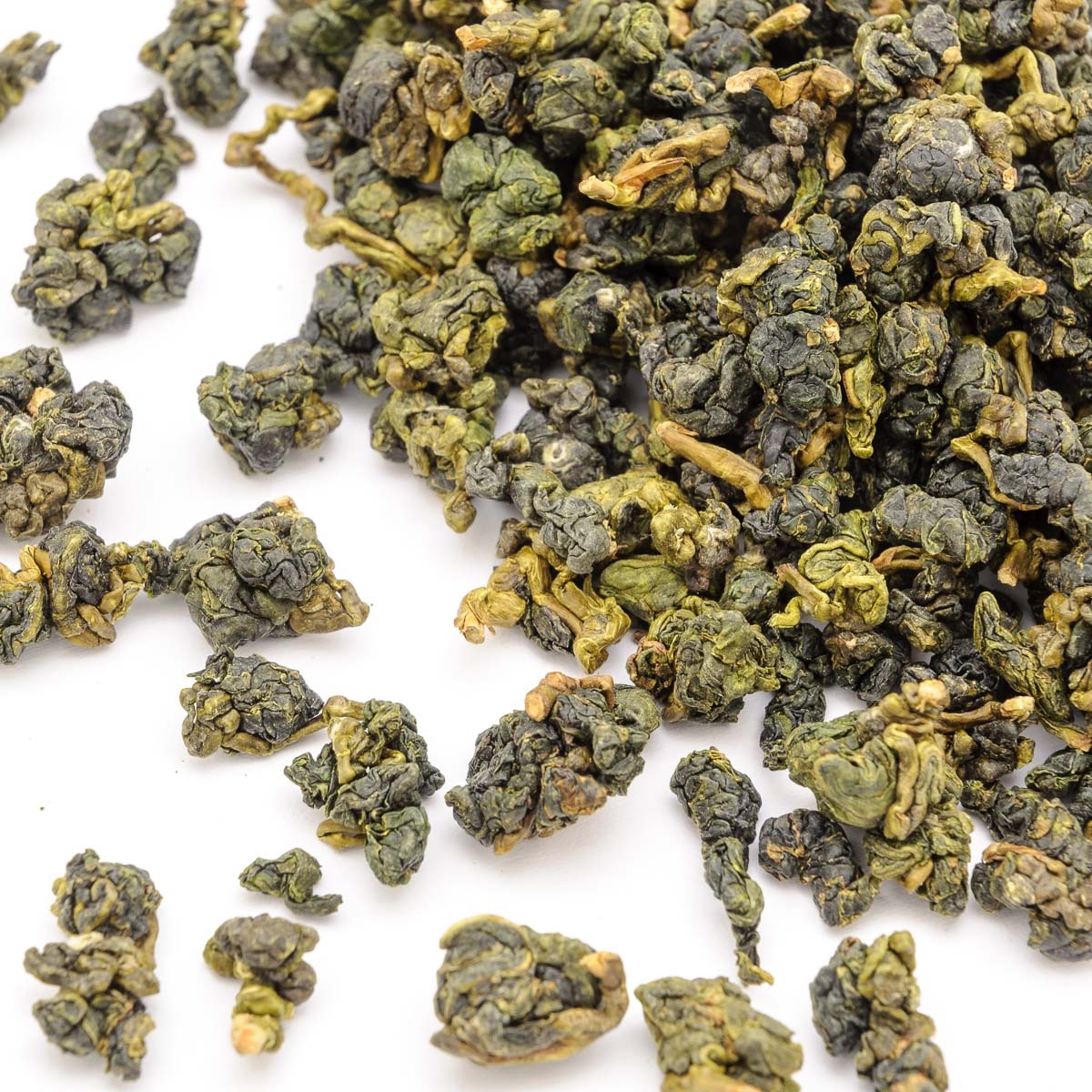
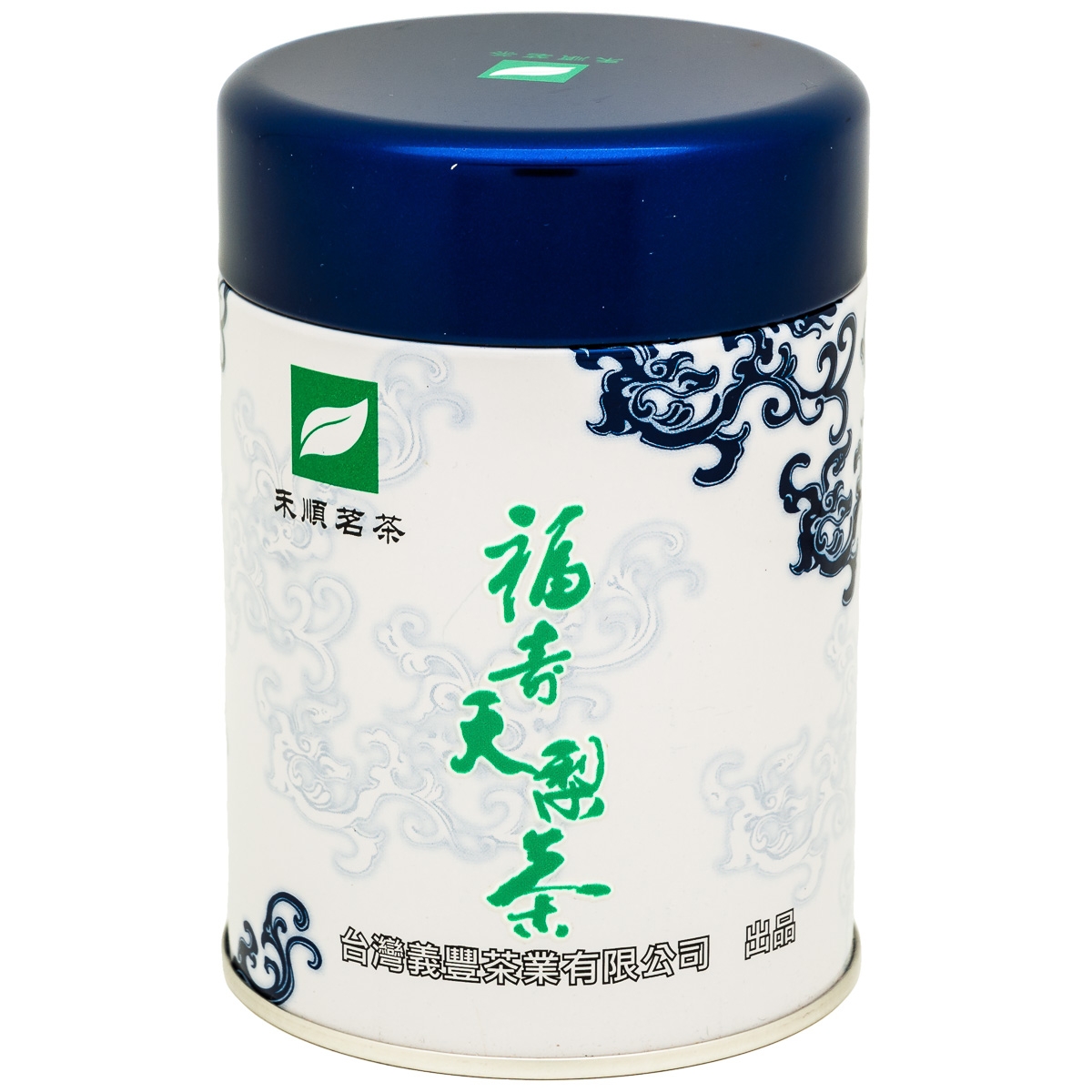
High-mountain teas are generally more expensive due to the limited quantities that can be produced in these areas. Thanks to the unique climatic conditions - lower temperatures, cleaner air and frequent dense mists - these teas are healthier (they can confidently be described as organic), and they develop a distinctive aroma and flavor—more delicate, cleaner, more intense, with leaves that are larger and firmer than those from lower-altitude gardens. They tend to undergo relatively light oxidation, and most receive only minimal heat processing.
How to Prepare?
| First, rinse the leaves with hot water, then steep. | |||||||||||||
| Temperature | Tea to Water Ratio | 1. | 2. | 3. | 4. | 5. | 6. | 7. | 8. | 9. | 10. | 11. | 12. |
| 100°C | 1g / 25–30ml | 35s | 20s | 25s | 35s | 50s | 70s | 90s | 120s | 160s | 200s | 250s | 300s |
| Character | čerstvý|sladce-ovocný|velmi jemný |
|---|---|
| Weight | 75g dóza|1g|25g|50g |
| Place / Garden | 2200 - 2600 m.n.m.|Nan Tou 南投 |
| Origin | Taiwan |
| Harvest / Year of Production | březen 2025|jaro 2025 |
| Type | Qing Xin Da Mao / 青心大冇 |