
Ye Shan Cui Lan

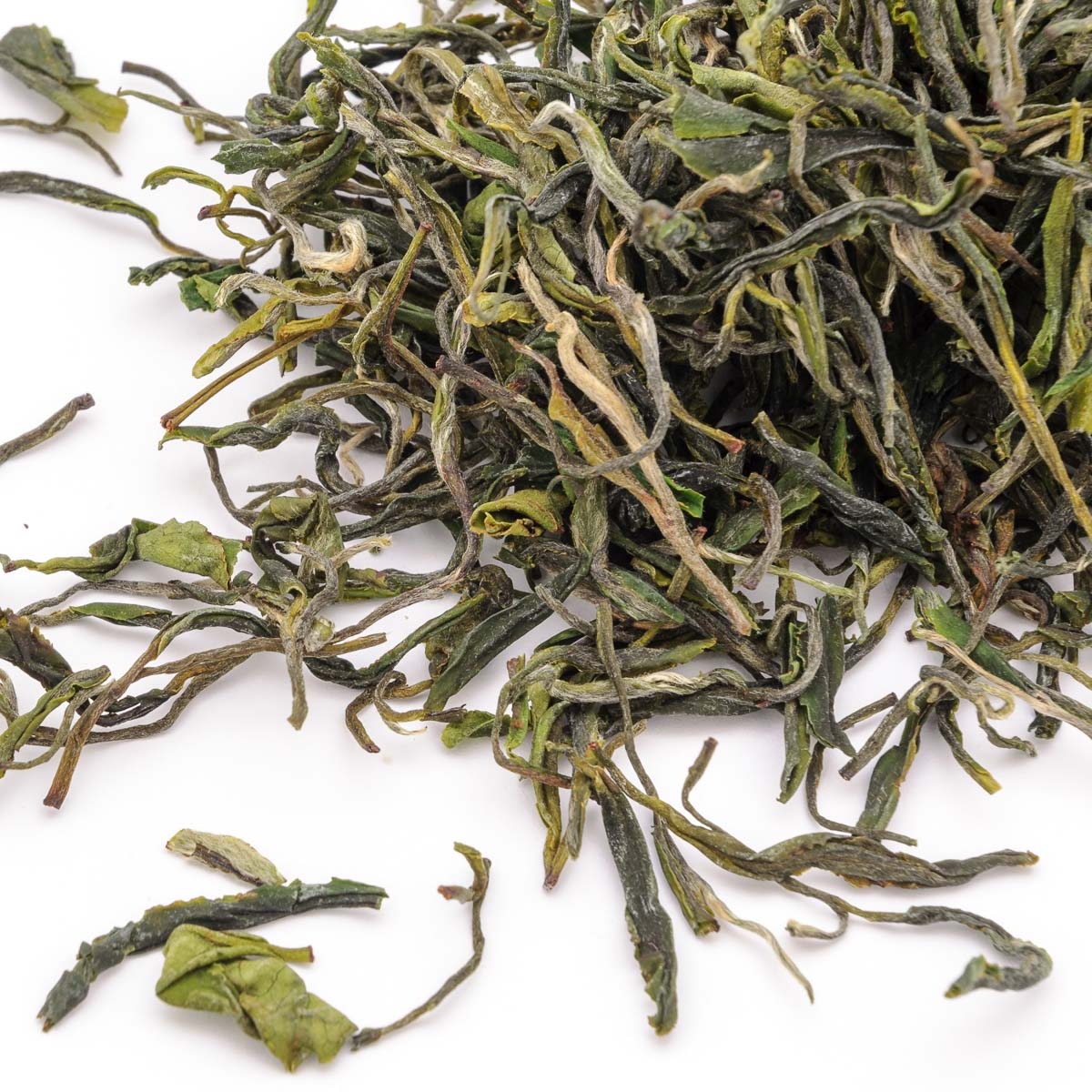
Wild Ye Shan Cui Lan originates from the mystical primeval forest of Shennongjia in the western part of China's Hubei Province. This fascinating region, recognized as a UNESCO Biosphere Reserve and World Heritage Site, is rightfully called the "Roof of Central China."
The wild tea trees here do not grow on conventional plantations; they are ancient, naturally seed-propagated stands scattered freely throughout the mountain forest at altitudes above 700 meters.
Growing in symbiosis with fir trees, wild rhododendrons, and mosses, they draw their strength from the stony-loamy soil formed by weathered granite. For most of the year, the area is shrouded in a veil of dense mists and clouds, which, combined with the dramatic temperature differences between day and night, gives the tea its unique character. In this pristine environment, fertilizers and pesticides are never used, preserving the absolute purity of the mountain ecosystem in every single leaf.
This untouched wilderness is beautifully reflected in the tasting ritual itself. The traditional, non-oxidized processing of green tea—from gentle withering, rolling, and shaping to the final delicate roasting—sensitively locks in the maximum amount of beneficial substances.
The light yellow-green, crystal-clear liquor captivates with an ethereal aroma of wild orchids and a subtle chestnut undertone. The first sip feels remarkably fresh, vibrant, and silky smooth on the palate.
The flavor excels with rich umami and a complete absence of bitterness or astringency. Finally, a captivating, returning sweetness (hui gan) develops, leaving a light floral note and a long-lasting, cool, refreshing sensation in the mouth.
Wild Cui Lan is the perfect fusion of a clear liquor, an orchid fragrance, and the vibrant energy of wild Chinese nature.
| Place / Garden | Shen Nong Jia 神农架 |
|---|---|
| Altitude | 700 m. a. s. l. |
| Designation / Recipe | Qun Ti Zhong 群体种 |
| Origin | Hubei |
| Harvest / Year of Production | spring 2026 |